The Role of Wheat in Financial Markets and How to Invest
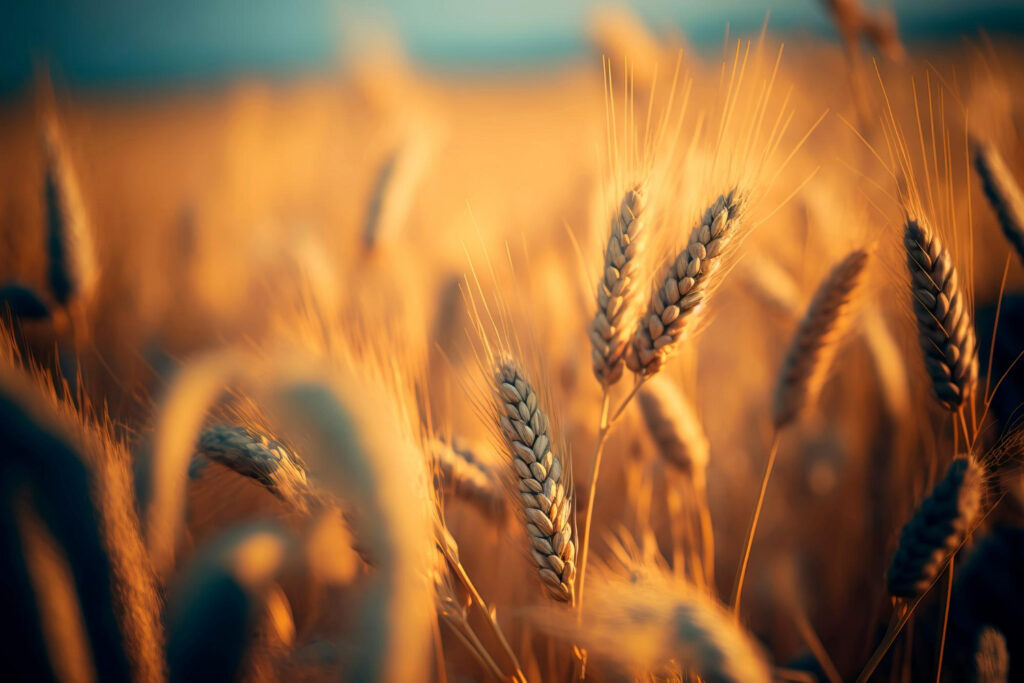
Wheat is a staple food and is cultivated in multiple countries around the world. It’s a vital crop and is responsible for providing a source of protein to a large proportion of the population. But wheat also plays a significant role in the financial markets.
Why is wheat an integral global commodity?
Wheat is widely consumed due to its versatility. It can be harvested in a large variety of climates and in different types of soils. Russia remains the top exporter of wheat and wheat flour products, exporting almost 43.5 million metric tons in 2022/2023, while hotter countries such as Egypt and Indonesia import the most wheat.
Although most commonly used as a food product, wheat is also utilised around the world in animal feed, construction materials, bioplastics and paper.
Wheat in the financial market
Wheat plays a crucial role in global markets and many factors influence how it’s traded. Like most other commodities, the underlying principles that determine the price of wheat are supply and demand. Supply and demand can be affected by multiple factors including:
- Weather and climate conditions: wheat production is reliant on good growing conditions so volatile weather patterns can affect the supply. Unusually small yields create higher demand and vice versa.
- Government policies: new price policies such as those relating to import taxes can heavily influence demand from particular countries.
- The US dollar: as the price of wheat is quoted in US dollars, the value of the currency also has an impact on the commodity.
The recent conflict in Ukraine had a significant effect on wheat supply. The Russian navy blocked all exports of the commodity, leading to a worldwide food security threat that caused prices to rise.
Investing in wheat
Wheat is a popular option for those interested in commodity trading. It can be traded through stocks, EFTs, CFDs, futures and options, depending on whether an investor wants to own the underlying asset or just speculate on the price of it.
Traders often apply a long-term strategy when trading this agricultural commodity due to the short-term volatility factors and the overall increasing demand for the product. When trading wheat, there are also a few factors to take into consideration such as historic price trends, global news, natural disasters, currency prices and the overall economy.
Many traders invest in wheat as part of a broader portfolio of commodities and other assets. This can help hedge against risk and offers exposure to wider opportunities in the global market.
Finally, it’s important to understand what can affect the value of wheat and place trades accordingly. This means keeping up to date with political, global and economical news and predicting how situations are likely to impact the market.