Seasonal ‘Cut and Collect’ Maintenance Underway Across Denbighshire’s Wildflower Meadows
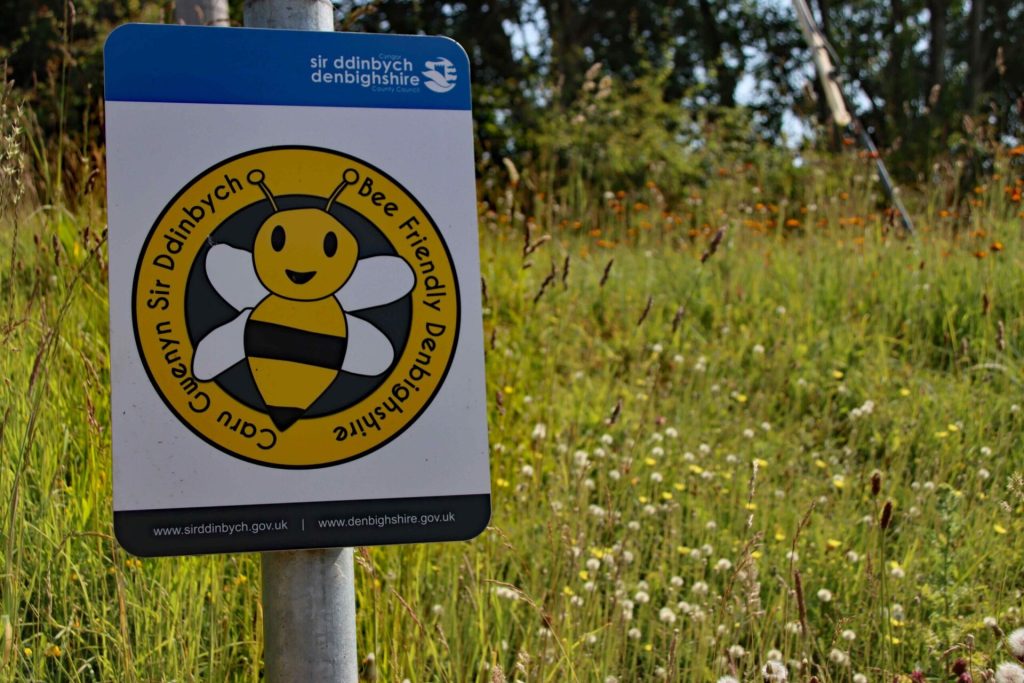
Seasonal grass cutting has begun across Denbighshire’s network of wildflower meadows, as part of ongoing work to protect and enhance biodiversity in the county.
The initiative, led by Denbighshire County Council’s Biodiversity team in partnership with Streetscene operatives, forms part of the authority’s Wildflower Meadow Project. Established in 2019, the scheme aims to restore native wildflower habitats, create connected green urban spaces, and provide areas for community wellbeing and leisure.
Funded by the Welsh Government through the Local Nature Partnerships Cymru ENRaW project, the programme has already delivered notable results. In 2024, nearly 300 different wildflower species were recorded across the sites, with 5,269 individual plants logged — a figure significantly higher than on regularly mown grassland.
With this year’s flowering season ending earlier than usual due to prolonged dry weather in spring and summer, council teams are now deploying specialist mowing equipment to carry out the annual “cut and collect” work. Some meadows are being cut earlier than in previous years, particularly those that need additional support to become established.
The early cutting process takes place only after wildflowers have gone to seed, ensuring next year’s growth. To encourage healthy regrowth, all cuttings are removed, reducing soil nutrient levels and creating conditions in which native species can thrive. The remainder of the meadows will be cut in the usual late summer period, between August and September, followed by enhancement works at selected sites.
Cllr Barry Mellor, Lead Member for Environment and Transport and the council’s Biodiversity Champion, said:
“We are starting the cut and collect work now as many flowers have already seeded, and this will help us maintain and improve the habitats for next year. Our Biodiversity Team has already started work to collect seeds from the meadows for producing seedlings at our tree nursery to be planted back into the meadows.
I would like to thank those who have supported the project this year, which is providing a vital boost for our local pollinators and other wildlife. This work is important in bringing this habitat back to not only support nature but our wellbeing as well, after losing nearly 97 percent of meadows in the last 100 years.”
Cllr Mellor added that the return of wildflowers to local areas would boost biodiversity, provide colour for communities to enjoy, and strengthen the environment for pollinators, which play a vital role in food production.
“Our county wildflower meadows are for the equal wellbeing of residents and wildlife to both enjoy now, and most importantly, for our future generations in the shape of our younger Denbighshire residents,” he said.
The council says that as more sites are restored, the project will continue to deliver long-term benefits for both wildlife and people across Denbighshire.