

It’s never been easier to help children like Myles
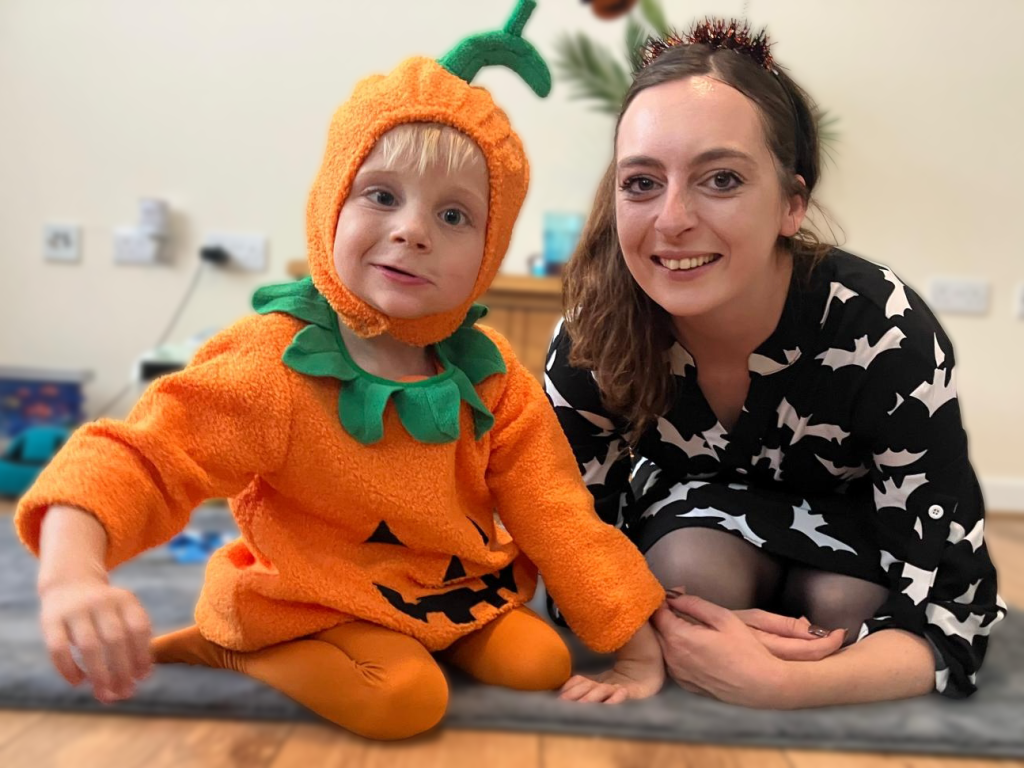
Giving to a good cause and helping local children with life-threatening conditions to live their best life has never been easier.
This February is Payroll Giving Month, and children’s hospices Hope House and Tŷ Gobaith has signed up to the scheme and are inviting local businesses to do so too.
Sometimes known as Give as You Earn, the easy tax-efficient way of donating from your gross salary means there is no income tax liability on your gift, and you will pay less tax.
This is particularly attractive to medium and higher rate taxpayers, allowing for larger donations at a lower cost.
Here, Bekki Fardoe, Fundraising Development Lead for the hospices, explained the key points and FAQs around Payroll Giving:
What is payroll giving?
Payroll Giving allows you to donate to charity directly from your pay before tax is deducted. That means more of your money goes to the cause, and it costs you less.
A £10 donation might only cost you £8 but your chosen charity receives the full £10.
It’s the most cost-effective way to give!
How do I register for payroll giving?
It’s simple to sign up. Just speak to your HR or payroll team and ask if your organisation offers Payroll Giving.
If they do, you choose the amount, and it’s deducted automatically each month – it’s one of the easiest ways to make a difference.
How does a company register for payroll giving?
If your employer doesn’t already have a Payroll Giving scheme, they can register with an approved Payroll Giving agency.
These agencies handle the donations and make sure your chosen charity, like Hope House Children’s Hospices, receives the funds securely and efficiently.
Employers can set it up in just a few steps and once it’s in place, employees can start giving straight from their salary, tax-free.
Some trusted Payroll Giving agencies include: Charities Aid Foundation (CAF), Charitable Giving Payroll, Giving in Action, and GoodPAYE.
What are the benefits of offering payroll giving as a company?
This demonstrates good Corporate Social Responsibility (CSR) and boosts employee engagement whilst having a positive impact on the community.
There is also the opportunity to receive the Payroll Giving Quality Mark which is a government-supported accreditation and rewards and recognises organisations of all sizes for offering and promoting payroll giving to their employees.
Payroll giving can also reduce the administrative burden on charities as they do not need to reclaim Gift Aid.
For some easy illustrations of the benefits and further information, head to this link and you can call 01691 671671 or email regulargiving@hopehouse.org.uk for more information.
TESTIMONIAL OF HOPE HOUSE TY GOBAITH FROM MYLES’ MUM, GEORGIA:
Myles was born with a life-threatening condition that affects just 120 children in the world.
Our nursing teams at Hope House and Tŷ Gobaith are experts at caring for seriously ill children like Myles and helping them and their families to enjoy time together building precious memories.
As Myles’ mum Georgia explains: “Hope House is a massive breath of fresh air for us both – it’s a place and people we can rely on.
“I know I won’t have to go through anything on my own because I can call and they are always there to help.
“It’s just an amazing place that I never thought I would need, but I am so grateful that it is here.”
FACTS ON HOPE HOUSE Tŷ GOBAITH
Hope House Children’s Hospices provide specialist nursing care and support to more than 750 children, and their families, who live in Shropshire, Cheshire and across Wales. We have two hospices – Hope House in Oswestry and Tŷ Gobaith in Conwy.
Our dedicated teams support families from diagnosis, throughout the lifetime of their child and beyond. We are here for every mum, dad, brother and sister.
At the end of a child’s life, we are here to make sure their final moments are as comfortable as possible and that their family says goodbye in their own way and in their own time.
We are also here to comfort families and offer bereavement support, whether we’ve cared for their child during their illness, or they have turned to us after their child’s sudden death through any circumstances at all.
It costs £10 million every year to run our services. Approximately two month’s income comes from statutory sources and for the other 10 months of the year we are dependent on public support.


