

How North Wales Factories Are Rethinking Their Floor Spaces
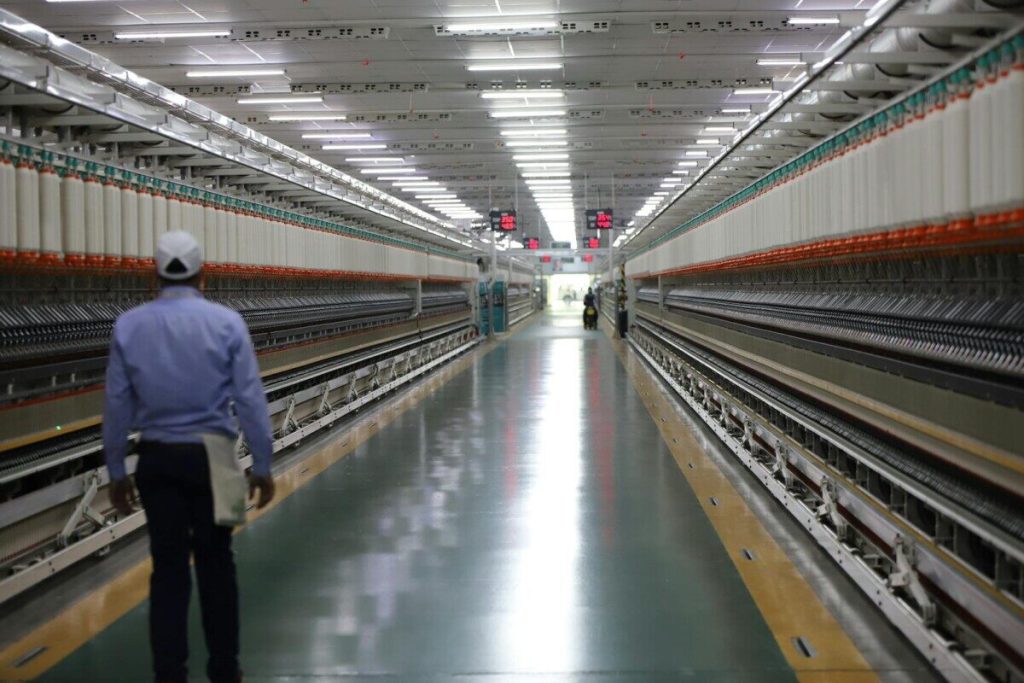
Factories across North Wales are reviewing the condition and performance of their internal floor systems. Industrial environments place constant pressure on surfaces from heavy machinery, pallet traffic, chemical exposure and extended operating hours. Over time, traditional concrete finishes can deteriorate, leading to cracking, surface wear and reactive repair work that disrupts production.
Resin-based systems are increasingly being assessed as part of structured capital improvement plans. Seamless finishes offer durability under mechanical stress, resistance to chemical exposure and improved cleanability in regulated environments. Installation methods have also evolved, allowing more predictable scheduling and reduced operational interruption.
The reassessment reflects broader operational pressures. Rising compliance expectations, tighter delivery timelines and higher input costs leave little margin for reactive maintenance. Facilities managers are therefore reviewing flooring performance as part of wider risk management and efficiency planning.
Why North Wales Manufacturers Are Reassessing Their Factory Floors
Manufacturers in Flintshire, Wrexham and Conwy continue to expand activity across food processing, pharmaceuticals and advanced engineering. As production volumes increase, floor systems must support heavier loads and stricter hygiene controls. Flooring specification is now reviewed alongside equipment upgrades and workflow redesign.
Unplanned downtime remains a significant financial risk. A surface failure during active production can delay dispatch schedules, interrupt staffing plans and affect supply chain commitments. Even short shutdowns may carry costs that exceed savings achieved from lower-grade materials. Surface durability is therefore assessed within structured capital planning frameworks.
As part of this reassessment, many facilities managers are reviewing sector-specific performance criteria linked to industrial resin flooring projects designed for heavy-duty manufacturing environments. These specifications address load tolerance, chemical resistance and regulatory compliance, aligning floor performance with operational demands across North Wales.
Safety considerations also influence decision-making. Slip resistance, clearly defined operational zones and robust surface integrity contribute to safer working conditions. In facilities where forklifts and pedestrians operate concurrently, floor performance directly affects accident prevention measures.
Hygiene Requirements and Cleanability Standards
Food and pharmaceutical manufacturers across North Wales operate within tightly regulated hygiene frameworks. Surfaces must support frequent cleaning, resist contamination and withstand chemical washdown procedures. Cracked or jointed concrete increases the risk of debris retention and moisture ingress.
Seamless resin systems reduce these vulnerabilities by eliminating joints and weak surface layers. Non-porous finishes support more efficient cleaning regimes and assist with audit readiness. Where facilities operate under HACCP or GFSI standards, flooring specification forms part of documented compliance planning.
In wet-process environments, surface texture must balance slip resistance with effective cleanability. Material selection therefore requires careful assessment of both safety and operational practicality, with technical benchmarks for measuring slip resistance of pedestrian surfaces informing specification decisions. Facilities managers often review finish grades to ensure suitability for specific production zones.
Material Options Reshaping Industrial Floor Specifications
Industrial flooring specifications in the UK commonly centre on epoxy, polyurethane and methyl methacrylate systems. Each offers distinct performance characteristics suited to different industrial settings, with the FeRFA resin flooring classification standard providing a structured framework for comparing system build-ups and expected performance levels.
Epoxy systems remain widely used due to their strength and chemical resistance. They perform reliably under heavy traffic and mechanical impact, making them suitable for warehouses and production halls. Cure periods generally require at least one full day, so installation must align carefully with production schedules.
Polyurethane systems offer greater flexibility and resistance to thermal shock. In facilities where hot washdowns and temperature variation occur regularly, polyurethane maintains structural integrity without cracking. This makes it appropriate for food processing areas and temperature-controlled environments.
Methyl methacrylate systems, often referred to as MMA, are recognised for rapid curing performance. These systems can return to service within hours, reducing the length of planned shutdowns. For sites operating continuous shifts, shorter installation windows help maintain production continuity.
Fast-Track Installation and Operational Continuity
Project timing plays a central role in flooring upgrades. Extended cure periods can increase downtime, particularly during colder months. Modern resin formulations provide more predictable installation schedules, allowing businesses to plan works within defined maintenance windows and avoid extended production pauses.
Careful sequencing also reduces disruption. Contractors coordinate preparation, application and curing phases to align with shift patterns or scheduled shutdowns, reflecting wider construction phase planning requirements that prioritise safety and operational control during refurbishment works.
In North Wales, where many facilities operate year-round production cycles, phased installation allows work to proceed in sections without full closure. This approach helps preserve throughput while improving overall surface performance. Clearly defined work zones also maintain safe movement routes for staff and equipment during upgrade periods.
Environmental conditions influence planning decisions. Resin systems designed for lower ambient temperatures provide additional flexibility during winter projects, reducing delays linked to climate constraints. Consistent curing performance in cooler conditions supports year-round refurbishment planning.
For manufacturers managing tight delivery commitments, installation speed and predictability are often as important as material durability. Flooring upgrades are therefore evaluated not only on technical performance but also on their ability to support uninterrupted operations.
Regulatory Considerations Shaping Flooring Decisions
UK Building Regulations continue to evolve. Amendments to Approved Document B, Volume 2, affecting non-domestic buildings, take effect in September 2026. These updates influence fire performance classifications and require accurate documentation during refurbishment and upgrade projects, with Building Regulations 2010 Regulation 38 fire safety documentation forming part of the compliance record for non-domestic buildings.
Facilities managers must integrate compliance considerations into early planning stages. Flooring systems must align with fire safety requirements, slip resistance standards and workplace health regulations. The Health and Safety Executive sets expectations around safe walking surfaces, particularly in wet or high-traffic environments.
Clear documentation and correct specification reduce the risk of remedial work following inspection. Flooring upgrades therefore support broader governance and compliance objectives.
Calculating Total Ownership Costs Beyond Initial Investment
Initial installation cost represents only one element of the financial assessment. Long-term durability, maintenance frequency and ease of cleaning influence overall lifecycle expenditure. Seamless resin systems typically require fewer reactive repairs compared with untreated concrete surfaces.
Maintenance predictability reduces disruption and supports more stable budgeting. Cleaning efficiency may also improve where non-porous finishes limit dirt retention and surface degradation.
Downtime costs often exceed differences in upfront material pricing. A multi-day shutdown for floor replacement can affect output and contractual obligations. When assessed over the full service life, higher-specification systems may provide stronger long-term value.
For manufacturers across North Wales, factory flooring is no longer a background detail but a strategic asset. Decisions now balance durability, compliance and installation speed against the real cost of downtime. By aligning material choice with regulatory requirements and operational demands, facilities managers reduce risk and protect long-term productivity. In a competitive regional market, well-specified floor systems support both resilience and steady growth.


