
How Do Small Businesses Create a Website Without Code?
Establishing an online presence once meant hiring a developer, learning HTML or spending weeks grappling with complicated software. That is no longer the reality for most small businesses across Wales and the wider United Kingdom, where accessible tools have transformed how even the smallest firms can establish themselves online today. Modern tools now enable virtually anyone who has a clear idea and a little patience to build a thoroughly professional website in a single afternoon, without any prior technical expertise whatsoever. Drag-and-drop editors, ready-made templates and built-in hosting have removed the technical barriers that once held smaller firms back. This guide covers the practical steps to getting online.
Why Small Businesses No Longer Need a Developer to Get Online
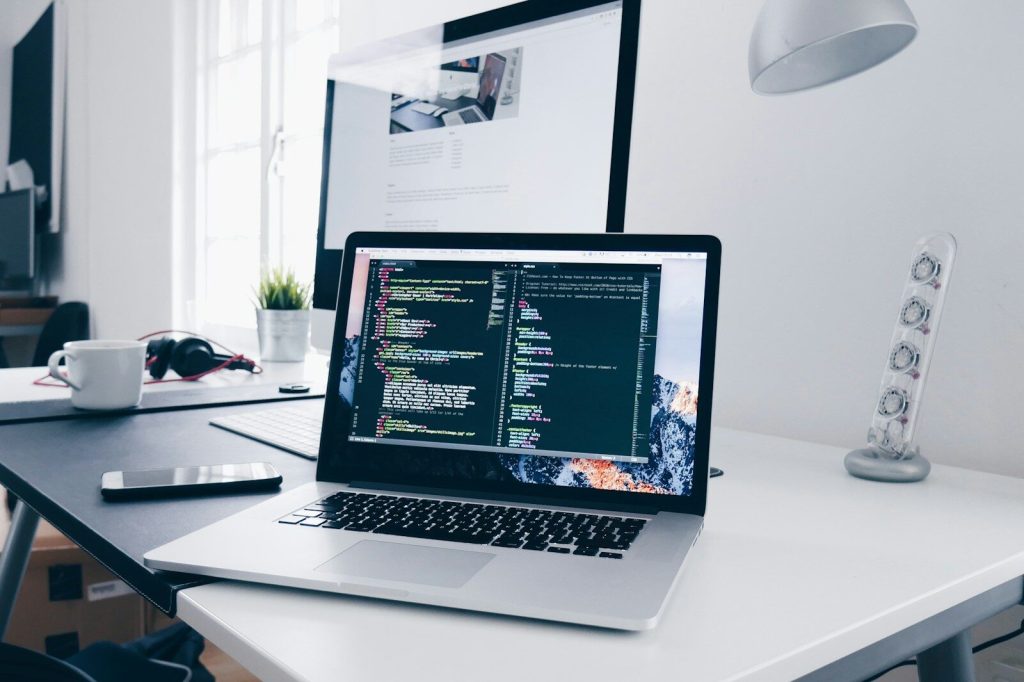
The arrival of visual editing tools has reshaped how companies approach their first website. Instead of coding every element by hand, you arrange text boxes, images and buttons on a page and watch the design take shape in real time. A dependable website builder typically bundles the three things a new site needs: a domain name, hosting space and an SSL certificate for secure browsing. Having these together in one place removes a great deal of confusion for someone launching their first venture online.
This shift matters to independent traders and sole operators for two further reasons.
- Costs have fallen sharply, making a polished site affordable on tight budgets.
- Edit anytime—update opening hours or prices in minutes, no technician needed.
Choosing the Right No-Code Platform for Your Business
Not every tool suits every trade, so it pays to match the platform to what you actually sell. A café needs a simple menu and location map, while an online shop requires a proper checkout, stock tracking and payment integration. Before committing, think carefully about how your brand will look across the whole site. Consistency in visual identity builds trust, and resources on creating a professional logo online can help you present a coherent image from the very first page.
Features Worth Prioritising
When comparing platforms, look beyond the templates. Check whether the editor allows custom domains, offers blogging functionality and supports the sort of contact forms your customers expect. Those running a workshop or garage, for instance, might want galleries and booking tools, much like the considerations covered in a piece on the key equipment that keeps an auto shop running. The right feature set saves you from migrating to a new system later.
Comparing Providers Before You Commit
Pricing varies widely, so read what each plan includes rather than just the headline figure. Among the various names that tend to come up whenever you find yourself weighing up hosting and builder packages, Fasthosts frequently features prominently, standing alongside several other providers that are genuinely worth examining in rather more careful detail before committing. Trial periods prove genuinely useful in this context, since they allow you to test the editor using your own content thoroughly before any money changes hands or commitments are made.
Building Your Website Step by Step Without Writing Any Code
Once you have settled on a platform, the construction process tends to follow a fairly predictable and straightforward path. Breaking it into stages keeps the task manageable and stops you feeling lost midway.
Presented below is a particularly straightforward sequence that the vast majority of beginners can follow quite comfortably, even when they are only just starting out on their journey:
- Register a domain name reflecting your business that’s easy to spell.
- Choose a template suited to your sector and overall tone.
- Replace the placeholder text with your own clear, concise wording.
- Add genuine photographs of your products, premises or team rather than generic stock images.
- Create essential pages: Home, About, Services and Contact.
- Preview the site on desktop and phone before publishing.
Take your time with the written content, as this is precisely what persuades visitors to get in touch, since carefully considered words build the trust that ultimately encourages people to reach out. Clear descriptions paired with honest detail convert better than any flashy animation. Make sure that you save your work frequently throughout the process, and refrain from publishing until each and every page reads exactly the way you intend it to.
Optimising Your No-Code Site for Local Search and Mobile Visitors
A finished website achieves little if nobody finds it, so attention to search visibility is well spent. For a small firm serving a defined area, local search is where most enquiries begin. Include your town or region in page titles and descriptions, and register with Google Business Profile so your details appear on maps and in local results. A thorough practical guide to creating a small-business website covers many of these foundations in greater depth and is worth bookmarking.
Mobile performance deserves equal care. Over half of all browsing now occurs on phones, and visitors abandon pages that load slowly or display awkwardly. Most no-code editors generate responsive layouts automatically, but you should still check each page on a handset. Keep image file sizes modest, use legible font sizes and ensure buttons are large enough to tap without zooming. These small adjustments keep potential customers engaged rather than clicking away.
Keeping Costs Low While Growing Your Online Presence
One of the most compelling arguments for the no-code approach is how kindly it treats your budget. You completely avoid developer fees and pay a predictable monthly or annual sum covering hosting, security and the editor itself. Cost-conscious businesses find financial planning far simpler with this predictability.
Growth need not necessarily entail a sudden, dramatic jump in your spending either, since you can expand gradually, scaling up your investment in a measured, considered fashion as your circumstances evolve, rather than committing to substantial expenditure all at once without careful thought. It is wise to begin with a modest plan and to upgrade only when your visitor numbers or sales genuinely justify the additional expense, rather than committing prematurely. A handful of sensible habits, which you can gradually adopt as your website matures, will help you extract the greatest possible value from your investment over time:
- Refresh content regularly to keep the site relevant and improve rankings.
- Add a simple blog or news section answering common customer questions.
- Gather email addresses via a sign-up form to keep in touch with buyers.
Building and running a site this way empowers you. You choose when to make changes, you steer clear of relying on outside contractors, and you keep spending firmly controlled. For many independent traders in North Wales, that blend of affordability and self-sufficiency makes going online feel worthwhile rather than daunting. With a clear plan and the right tools, your first website could be live and working for you sooner than you’d expect.