

Making Sense of Live Cricket Odds During Big Matches
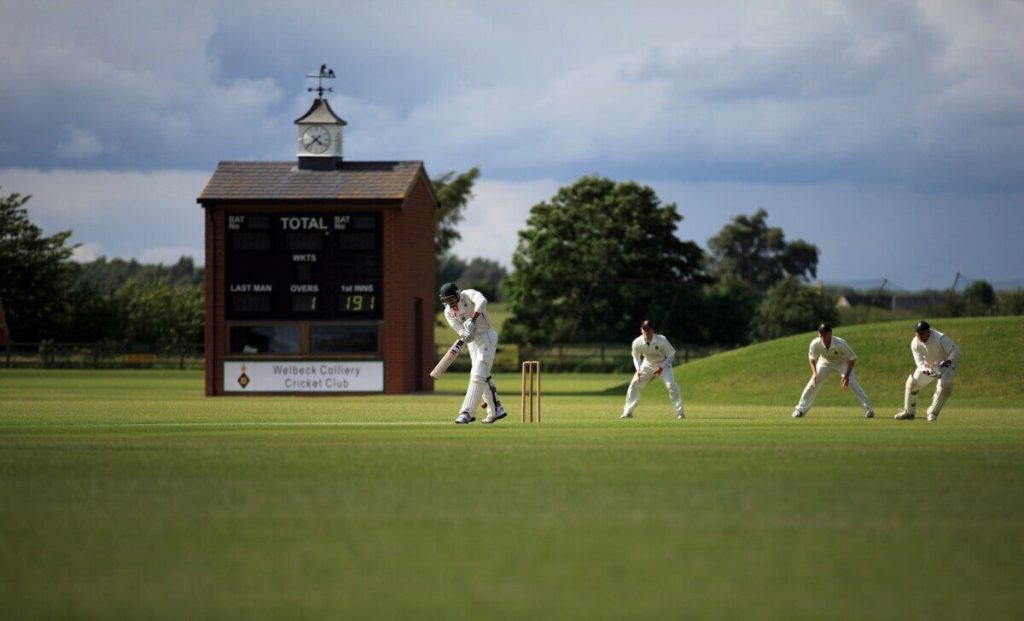
Cricket’s biggest matches rarely follow a straight line. Momentum can swing within a single over, and a contest that looked settled can suddenly feel wide open. For supporters following the action closely, live cricket odds offer another way to measure how the match is unfolding in real time. As boundaries are struck, wickets tumble, and partnerships build, the numbers adjust to reflect changing probabilities.
Limited overs cricket, especially T20 and one-day internationals, produces particularly sharp movements. A batter clearing the ropes twice in succession or a fast bowler striking with consecutive deliveries can alter the outlook within minutes. These moments are quickly reflected in the odds, which respond to the updated match situation. Paying attention to these fluctuations can deepen your understanding of how markets interpret what is happening on the field.
Reading live odds well involves more than knowing the rules of cricket. Match context matters. Conditions, pressure, player form, and tournament stakes all play a part. When you combine these factors with the scorecard, the odds begin to tell a more detailed story about where the match may be heading.
How Live Cricket Odds Fluctuate During Match Progression
Live cricket odds move constantly. Every run, wicket, and over completed feeds into pricing models that update markets within seconds. When a team chasing 180 reaches 50 without loss in the power play, their chances improve, and the odds shorten. If two quick wickets fall, the market reacts just as quickly in the opposite direction.
Early overs often bring noticeable swings because uncertainty is higher. Fielding restrictions during powerplays can produce rapid scoring, which forces regular adjustments. Middle overs tend to generate steadier movement unless a major partnership develops or collapses. Death overs are usually the most volatile phase. When only a few overs remain, and the required run rate climbs or drops sharply, even a single boundary can trigger a visible shift.
Platforms offering in-play betting on BoyleSports update markets as events occur, pausing briefly for significant incidents such as wickets. These short suspensions allow prices to be recalculated before betting resumes. This structure ensures that odds reflect the most recent and relevant information available.
Key Match Moments That Drive Odds Shifts
Not all match events carry equal weight. The dismissal of a top-order batter who anchors the innings has a far greater impact than the fall of a tailender. If a player known for building long innings is removed just as the chase begins to stabilise, markets tend to react strongly. The same applies to specialist finishers in T20 cricket. Their presence at the crease late in the innings can keep odds competitive even when the required rate looks demanding.
Weather can also influence live pricing. In England, overcast conditions may assist swing bowling, increasing the likelihood of early wickets. If rain interrupts play in a limited-overs match, revised targets under established methods can significantly alter the balance. As forecasts change, so can the odds.
Pitch behaviour is another factor. A surface that slows down in the second innings can make chasing difficult. Conversely, a flat pitch under lights may favour the team batting last. Traders take these elements into account, meaning odds often reflect more than just the raw score.
Reading Live Cricket Scorecards Alongside Odds
The scorecard provides essential context for understanding odds movement. Current run rate, required run rate, wickets in hand, and overs remaining all combine to shape probability. If a side requires ten runs per over with only four wickets left, the market will usually lean towards the fielding team. If that same side has eight wickets in hand and established batters at the crease, the picture looks very different.
Partnerships are especially influential. A steady stand of 70 or 80 runs can gradually shorten a team’s price as confidence builds. When that partnership is broken, the reaction can be immediate. Observing how long two batters have been together and how comfortably they are scoring can help explain why the odds move as they do.
Strike rates and bowling economy also provide insight. A batter scoring well above their career rate may signal strong form, encouraging a shift in expectation. Likewise, a bowler conceding very few runs in a high-pressure phase can stabilise the market in favour of their side. Comparing current performance to long-term averages helps place these numbers in context.
Market Liquidity and Odds Stability in Major Versus Minor Matches
High-profile international fixtures attract significant attention and betting volume. Greater liquidity generally produces smoother price movements. It takes more money to shift the odds in a heavily traded Ashes Test or World Cup semi-final than in a lower-profile domestic game. As a result, changes may appear more measured even when key moments occur.
Smaller matches, with less activity in the market, can experience sharper swings. A single sizeable bet may cause a noticeable adjustment. This difference in stability is worth recognising, as the same on-field event may trigger a larger percentage change in a low liquidity market than in a major international contest.
Time-specific windows can also affect behaviour. The period immediately after the toss often sees a recalibration of expectations. On certain grounds, batting first or chasing carries a historical advantage. Once team news is confirmed and conditions are assessed, the market incorporates that information before the first ball is bowled.
Responsible Approach to Live Cricket Betting
Live markets move quickly, which makes discipline essential. Setting clear limits before the match begins can help maintain control. Deciding in advance how much time and money you are prepared to commit reduces the risk of impulsive decisions when momentum swings.
Markets are typically suspended at critical moments, such as wickets or potential injuries. These pauses allow for fair price updates and protect participants from betting on outdated information. Taking advantage of these brief breaks to reassess the situation can support more considered choices.
Familiarity with market rules is equally important. Different competitions have different settlement criteria if a match is shortened or abandoned. Checking how bets are handled under revised targets or no result scenarios avoids confusion later.
The Bottom Line
Live cricket odds add another layer to the drama of major matches. They respond to every boundary, wicket, and tactical shift, translating on-field action into evolving probabilities. When combined with careful reading of the scorecard and awareness of conditions, these movements become easier to interpret. Staying disciplined, understanding market mechanics, and using regulated platforms ensures that engaging with live odds remains informed and responsible while you enjoy the spectacle of top-level cricket.


