

October 16, 2026

North Wales Children Facing Long Waits for Neurodevelopment Assessments
Janet_5
Families across North Wales are continuing to face lengthy delays for neurodevelopment assessments, with almost 7,000 children and young people waiting to be seen by Betsi Cadwaladr University Health Board.


Janet Finch-Saunders MS has expressed concern following the publication of the latest figures, which show that 6,920 children and young people were on the waiting list at the end of March 2026.

The data also reveals that only 12.3% of patients were assessed within the Welsh Government’s target of six months, meaning the overwhelming majority of children and their families are waiting considerably longer for assessments.

Neurodevelopment assessments play a key role in identifying conditions such as autism spectrum disorder (ASD), attention deficit hyperactivity disorder (ADHD), and other developmental conditions. Delays in accessing assessments can postpone support in education, healthcare and wider family services, leaving many parents searching for answers while waiting for specialist input.

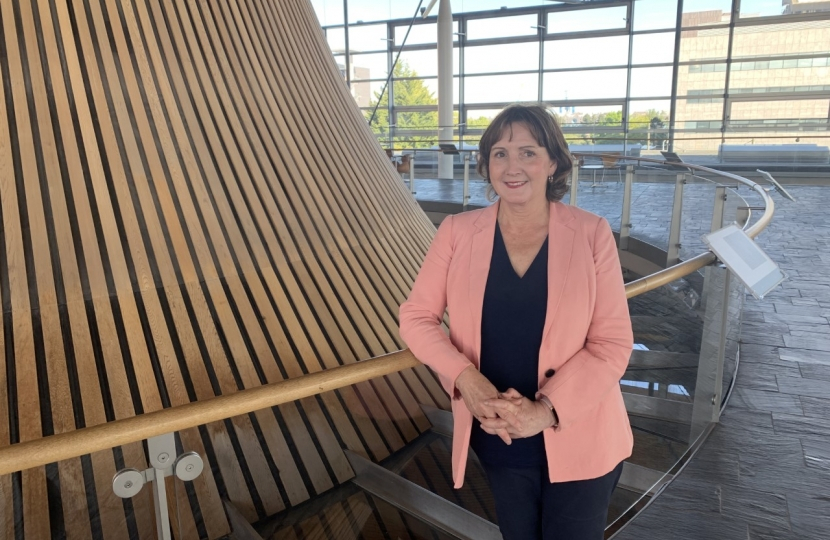
Janet Finch-Saunders, Senedd Member for Bangor Conwy Môn, said:

“These figures are extremely concerning and highlights the pressure facing children, young people and families across North Wales who are waiting for vital assessments.

“For families who suspect their child may have autism, ADHD or another neurodevelopmental condition, timely assessment and support can make a huge difference. Long waits can leave families feeling frustrated, isolated and without the help they need.

“I will continue to raise concerns about access to neurodevelopment services and press for improvements so that children and families across North Wales are not left waiting years for the support they need.”

The latest figures are likely to add to ongoing concerns about waiting times across a range of NHS services in North Wales, where demand for specialist assessments has continued to increase in recent years.

Campaigners and families have repeatedly highlighted the importance of early diagnosis, arguing that quicker assessments can help children access tailored educational support, appropriate healthcare and other interventions at an earlier stage of their development.

With thousands of children still awaiting assessments, there are renewed calls for further action to improve capacity within neurodevelopment services and reduce waiting times for families across the region.
