Property development: 5 steps for success
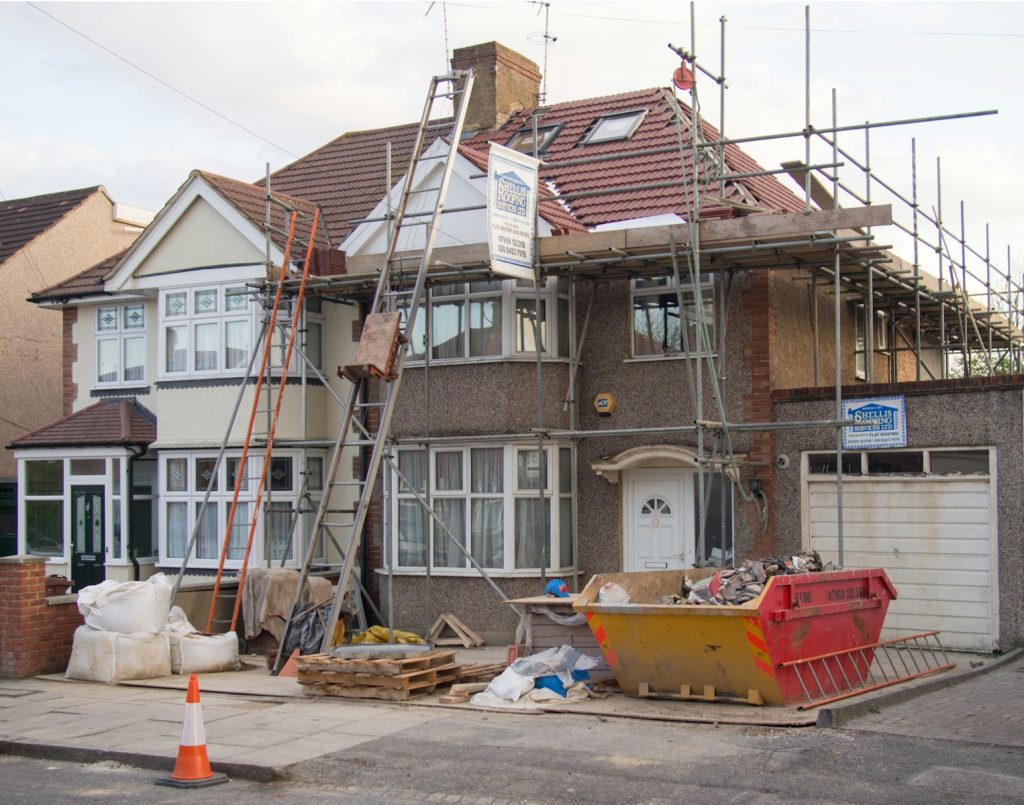
Portfolio expansion. Rental income. New commercial spaces. Whatever direction is taken, property development can be a profitable venture for business owners. However, the right approach is essential for success.
From strategic planning to financial expertise, here are five key points every business owner should know before starting a property development project.
1. Understand market demand
You don’t want to run in too fast with any property development project. Before making any commitments, it’s important you research market demand. Regardless of whether you are creating retail units or rental properties. Understanding local trends and economic conditions is essential.
Population growth, regeneration projects, business expansion in the area – factors like these can all impact demand one way or the other. A well-researched project aligned with market needs has a higher chance of long-term profitability.
2. Choose the right location
Location cannot be overlooked. In fact, it’s one of the most essential factors in property development. When selecting a site, you must assess elements like transport links, accessibility, and surrounding infrastructure.
While a prime location can attract higher rental yields and ensure strong occupancy rates, it also comes at a cost – literally. It can be savvy to consider cheaper locations that are expecting future developments. If the area is to benefit from new transport links or business districts, it can significantly boost property values.
3. Secure the right finance
Understandably, property development requires significant capital. As a result, most business owners will require external financing to fund their projects. Development finance offers access to funds needed to acquire land and cover construction costs.
Development finance is specifically set up for property development projects. It provides staged payments throughout the construction process, which means your business can better manage cash flow.
Just keep in mind that, before approving finance, lenders assess factors like project viability and expected returns. Working with a specialist broker can help secure competitive rates and loan structures that align with your project timelines.
4. Manage costs and budgets
A clear, detailed budget is key for any development project. There are many balls to juggle at the same time. Construction costs. Planning fees. Legal expenses. Add in potential unexpected delays, and profitability could quickly disappear.
Due to this, business owners must work closely with contractors, surveyors, and financial advisors to create an accurate cost breakdown. Keeping a contingency fund to cover unforeseen expenses and avoid project delays is wise. With proper cost management, you can prevent overspending and achieve a smoother development process.
5. Navigate legal and regulatory requirements
Property development involves strict regulations, planning permissions, and compliance requirements. It’s not exciting, but you must meet local environmental and building regulations.
By obtaining the necessary approvals before starting construction, it prevents costly delays and legal complications. Consulting with legal experts and planning consultants can assist in navigating the regulatory landscape – and dodge those potential pitfalls.
Conclusion
Property development offers significant opportunities for business owners. However, it requires careful planning, financial strategy, and legal compliance. A well-executed project can deliver long-term financial benefits and business growth by taking the right approach.