

The diagnostic equipment every business warehouse needs
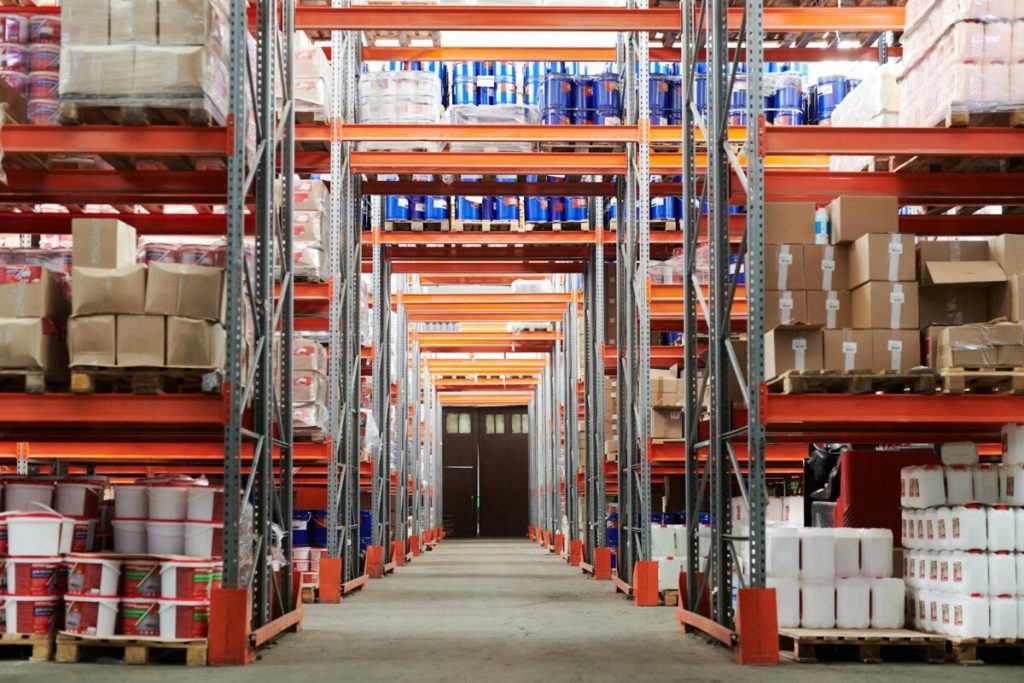
Running a warehouse or manufacturing facility means balancing productivity, safety, and cost. One of the most powerful ways to maintain that balance is through proactive diagnostics. In other words, using the right tools, data, and systems to spot problems before they bring your operations to a halt.
In this blog, we’ll walk through the key diagnostic equipment every warehouse should consider, and how to choose what’s right for your site.
Condition monitoring and predictive diagnostics
Modern UK warehouses increasingly rely on condition monitoring to maintain asset reliability. These systems track the health of motors, conveyors, forklifts and racking in real time, allowing issues to be identified long before they lead to failure.
When this constant flow of data feeds into a predictive maintenance programme, repairs can be scheduled proactively, unplanned stoppages are reduced, and asset life is extended.
Inspection and fault-finding tools for critical infrastructure
Not every part of a warehouse can be monitored continuously, so portable inspection tools remain essential. Racking systems require regular checks using gauges, visual inspection aids and thermal imagers, while electrical infrastructure depends on tools such as portable multimeters and clamp meters.
Routine inspections with the right diagnostic tools prevent localised defects from becoming disruptive or hazardous failures.
Test and measurement equipment for electronics and power systems
Automation, conveyors, lifting systems, and wireless networks introduce complexity that demands specialised test equipment. Oscilloscopes help engineers visualise electrical waveforms and diagnose issues such as noise, transient spikes or faulty control signals within motors and automated systems. Power quality analysers offer deeper insight by measuring harmonics, voltage imbalances and power factor, ensuring that electrically driven equipment runs efficiently and safely.
As warehouses adopt more wireless sensors and RF-driven automation, spectrum analysers become a key tool. They detect interference, verify RF signal integrity and troubleshoot connectivity problems in IoT networks or wireless control systems. Spectrum analysers are suitable for diagnosing RF communication and automation-related faults across modern warehouse environments.
Data logging, software analytics, and integration equipment
Diagnostic hardware is most effective when paired with a strong data and software layer. Data loggers collect information from sensors, test instruments and environmental monitors to build a continuous history of equipment behaviour. When paired with cloud-connected platforms, this data notifies teams when conditions deviate from normal parameters.
Condition monitoring software integrates these insights with warehouse management systems and wider automation platforms, ensuring that diagnostic information shapes daily operational decisions rather than existing in isolation. This interconnected approach enables warehouses to move from reactive fixes to data-driven maintenance strategies that support uptime, performance, and long-term asset reliability.