

The Importance of Proper Lighting in the Workplace
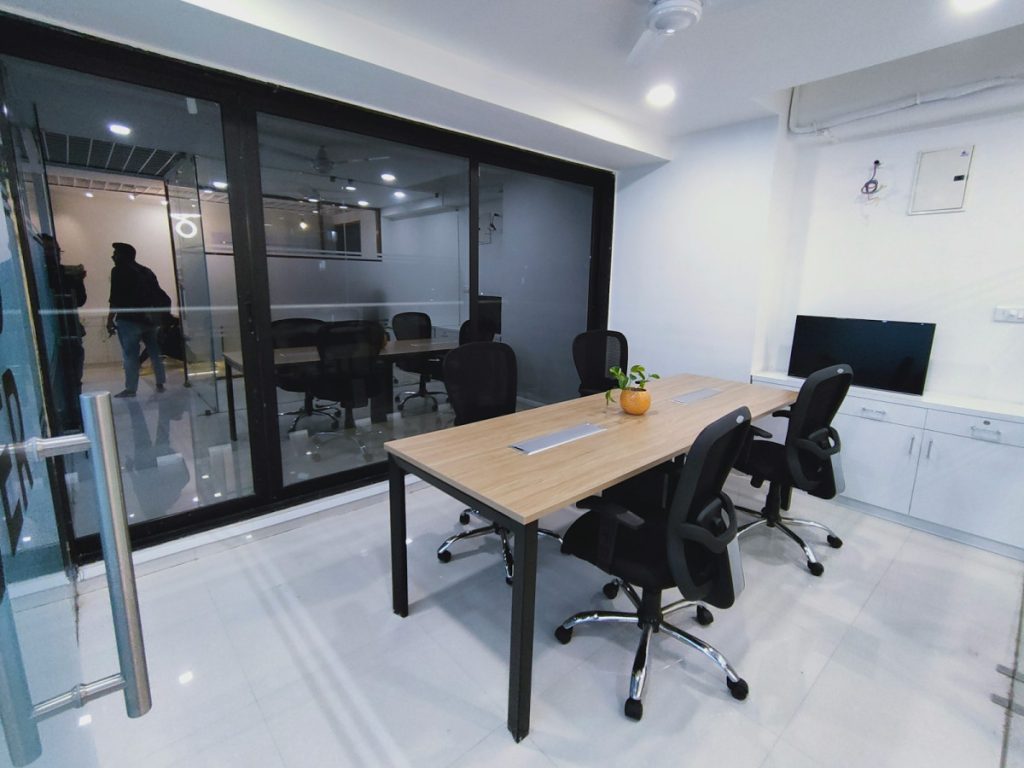
Most human beings rely on their eyesight to work, play, and ultimately function. We’re highly sensitive to changes in the way that the world around us is illuminated. When the lighting conditions are less than optimal, we might notice changes in our mood, and in our performance at whatever task we’re engaged with. In some cases, a lack of proper lighting can be an immediate safety concern, as it will hinder our ability to spot hazards, and, more generally, to see what we’re doing.
Legal obligations and standards for workplace lighting
In law, all employers owe a duty of care to their employees. This means that the working environment, as far as is reasonably practical, must be made safe. This, in turn, means ensuring that it’s well-lit. The relevant sections of law here are the Health and Safety Act 1974, and the Workplace (Health, Safety and Welfare) Regulations 1992. The latter requires not only “suitable and sufficient lighting”, but natural lighting whenever possible.
Effects of poor lighting on health, safety and performance
It’s worth dwelling on a few of the consequences of less-than-ideal lighting. You might expect to suffer from eyestrain, headaches, and fatigue when you have to squint in darkness for much of the day. The same applies if the lighting is excessively bright, or if there’s a sharp contrast in brightness from one part of the environment (like a computer monitor) and another.
As we’ve mentioned, poor lighting can also increase the risk of you suffering an accident. You might, for example, trip over a loose cable, that’s hidden in the darkness of a store cupboard. Lighting is thought to be a major contributor to the collection of symptoms known as ‘sick building syndrome’.
Practical steps for assessment, upgrade and maintenance
If you believe that your lighting isn’t up to standard, then there are a number of steps worth considering. You might first perform an audit, which will map out dark spots and try to quantify the brightness of various zones.
Possible upgrades might involve the lighting itself. Modern LEDs are preferable to older incandescent, especially if they’re equipped with smart controls. LED strip lighting, when employed around the edges of desks and other key areas, can also serve a decorative purpose.
It’s also worth considering the way that maintenance is scheduled, and the potential for automation. If lights are automatically dimmed at night-time, then workers might enjoy better sleep. Enlarging windows, installing new ones, or changing curtains and blinds, might also make a difference.
It’s worth rolling out these changes in phases. This will help to minimise disruption.
Lighting design principles and best practices
When you’re making changes to your lighting, you’ll want to adhere to certain key principles. Firstly, your lighting should support the specific kind of work being performed. Make sure that you incorporate a blend of ambient, task, and local lighting, and that you deal with problems like flicker.
Your lighting solution should support the flourishing of human beings. This tends to mean mimicking natural light, both in hue, intensity, and suitability for the time of day.


