

Why Professional Presentation Still Influences Hiring Decisions
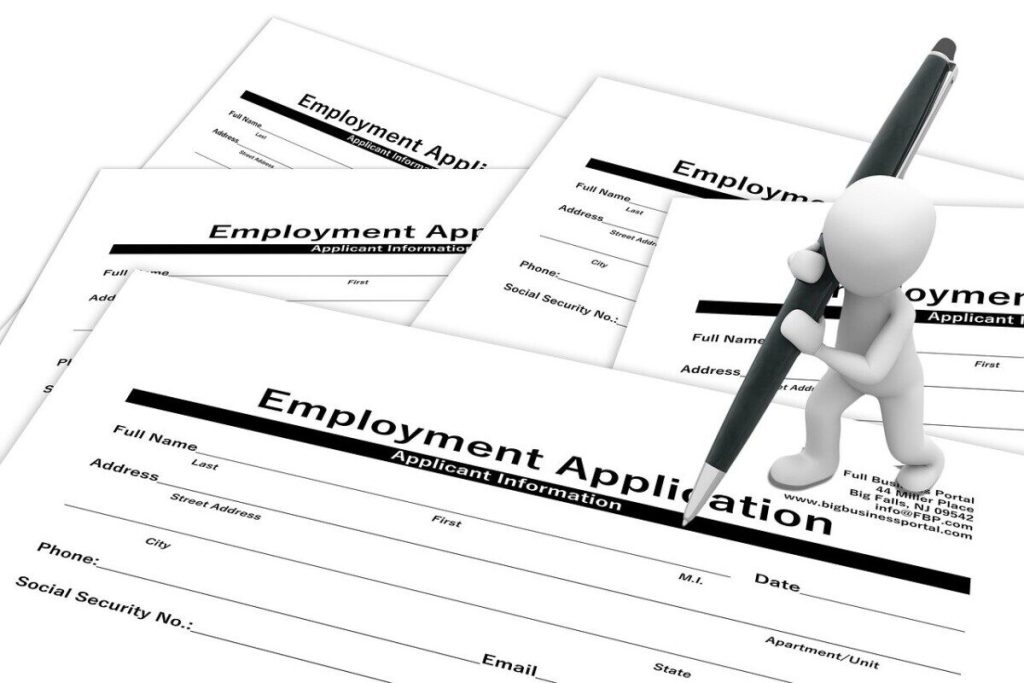
Recruitment activity across North Wales has picked up across hospitality, advanced manufacturing, construction and professional services. Vacancies attract steady interest, yet employers often report wide differences in the quality of applications. Many candidates meet the listed qualifications. Fewer present themselves in a way that reflects how they would operate in the workplace.
Hiring managers form opinions quickly. Presentation plays a large part in that judgement. Clear structure, thoughtful wording and attention to detail signal that a candidate takes the opportunity seriously. That first impression still shapes who moves forward and who does not.
Professional presentation does not require flashy language or complex formatting. It requires care. It requires relevance. It requires evidence that the applicant understands the business they are approaching.
First Impressions Still Carry Weight
Initial screening often happens under time pressure. Owners of small and medium-sized firms across North Wales rarely have hours to review each submission. Applications are scanned for clarity, relevance and tone within minutes. A strong presentation helps your experience surface quickly instead of getting lost in poor structure.
Structure Signals Professionalism
A well-organised letter helps the reader follow your experience without effort. Short paragraphs improve readability. Specific references to the company show genuine interest. Careful formatting reflects professionalism.
Some applicants choose structured platforms that guide layout and spacing. When done properly, submitting a carefully prepared creative cover letter can reinforce the impression that the candidate values presentation as part of their professional identity.
Design alone will not secure an interview. Content still matters most. However, messy formatting or inconsistent structure can distract from strong experience. Clear alignment, consistent font choices and logical flow support the message rather than compete with it.
Clarity Builds Confidence
Applicants should review their letter from the employer’s perspective. Does each paragraph serve a purpose? Does the opening explain why the role appeals? Does the closing invite further discussion in a confident yet respectful tone?
Trim unnecessary phrases. Replace broad claims with clear examples. Break longer sentences into manageable sections. These adjustments may seem small, yet they significantly improve readability and impact.
What North Wales Employers Notice Quickly
Recruiters across the region often highlight similar concerns. Generic statements appear frequently. Some letters repeat wording from job descriptions without adding personal insight. Others fail to connect past experience with the specific role on offer.
Employers look for alignment. They want to see how your skills solve their problems.
Relevance Over Repetition
Relevance stands out immediately. Candidates who refer directly to the company’s services, clients or recent developments demonstrate preparation. That effort suggests they will approach their duties with similar care.
Avoid copying standard phrases that appear in countless applications. Tailor your examples. If applying to a manufacturing firm, highlight process improvements or safety standards. Hospitality roles may require focus on customer satisfaction or team coordination.
Evidence Carries Weight
Clarity of communication also matters. Long, complex sentences can hide key achievements. Straightforward language allows strengths to come through. Grammar and spelling errors, though sometimes minor, may raise doubts about attention to detail.
Employers appreciate evidence. Instead of listing duties, describe outcomes. Mention improvements made, targets met, or efficiencies introduced. Concrete examples carry more influence than vague descriptions.
Length requires balance. Overly brief submissions can appear rushed. Excessively long letters may test the reader’s patience. Focused, relevant content shows respect for the employer’s time.
Structured Support and Application Quality
Many candidates seek guidance when drafting their letters. Tools can provide helpful structure, especially for those with limited experience writing formal applications. Used thoughtfully, they can improve organisation and flow.
Using Tools Wisely
A cover letter generator can prompt applicants to address key areas such as motivation, experience and suitability. Logical prompts reduce the risk of forgetting essential information. Access to a free cover letter builder may help first-time applicants gain confidence in layout and structure.
Some platforms offer a free cover letter option that allows candidates to experiment with formatting before finalising their draft. These features can remove uncertainty around spacing and presentation.
Support tools should guide rather than dictate content. Personalisation remains essential. Copying template wording without adjustment weakens credibility.
Editing Makes the Difference
Editing is where quality improves. Read the letter aloud. Check that each sentence contributes meaning. Remove repetition. Adjust tone to match the industry.
Attention to spacing and alignment enhances readability. Balanced margins and consistent paragraph breaks create visual order. A simple presentation often proves more effective than a decorative design.
Review the job description carefully. Highlight the key requirements and ensure each is addressed in your letter. Clear alignment between employer expectations and personal experience reduces doubt during the shortlisting process.
Presentation as a Reflection of Workplace Standards
Application quality often shapes how employers imagine your day-to-day performance. Care shown during recruitment suggests similar care in daily responsibilities.
Communication Reflects Capability
Customer-facing roles depend on communication skills. Administrative positions require precision. Project-based work demands organisation. A presentation within an application hints at how a candidate might handle client emails, reports, or internal correspondence.
A professional tone demonstrates maturity. Overly casual phrasing may undermine strong qualifications. Overly formal language can sound stiff. Balanced, respectful wording builds trust.
Preparation Shows Commitment
Consistency between claims and examples strengthens credibility. If you describe yourself as detail-oriented, the document itself should reflect that quality.
Research the company before submitting your application. Review its website, recent announcements and service offerings. Referencing local knowledge can show commitment to the region and its business community.
Feedback can further refine your approach. A mentor, colleague or careers adviser may identify unclear phrasing or structural gaps that you might overlook.
Raise Your Professional Standard Before You Apply
Professional presentation continues to influence hiring decisions across North Wales. Employers value clarity, relevance and thoughtful preparation. Strong qualifications deserve equally strong communication.
Take time to refine your approach. Focus on structure, tone and accuracy. Use supportive tools carefully, personalise every application and check details thoroughly. Each improvement increases your chances of progressing to an interview.
A polished application signals respect for the employer and confidence in your abilities. That message still carries weight across every sector in the region.


