

Wooden acoustic panels: Quiet power in modern North Wales workplaces
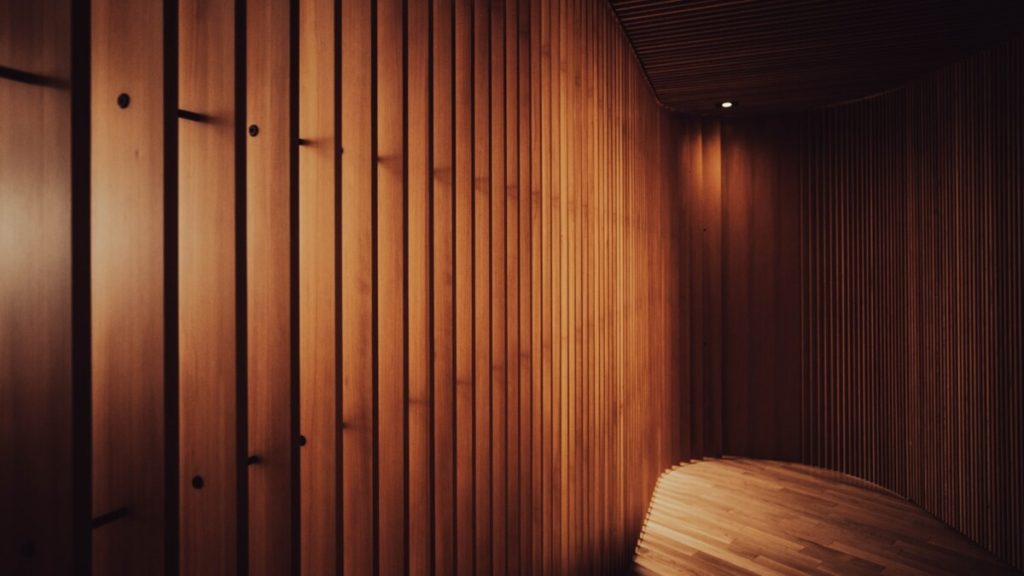
Open-plan offices, co-working hubs and converted industrial spaces have become the new normal across North Wales. They look impressive, support collaboration and attract talent, but they also bring a familiar problem: noise. Conversations bounce across the room, phones ring, coffee machines hiss, and suddenly focus disappears. More business owners now discover that the solution is not another set of headphones, but the strategic use of wooden acoustic panels.
In a region where many companies operate from older stone buildings, former warehouses or coastal properties, the acoustic challenge becomes even sharper. Hard surfaces reflect sound, high ceilings amplify echo, and what starts as a stylish space quickly turns into an exhausting soundscape. That is where wooden acoustic panels step in as both a design feature and a performance upgrade.
Why sound has become a business issue
Noise is no longer just a mild annoyance. Research into productivity, stress and employee retention shows that constant background noise reduces concentration, increases fatigue and fuels misunderstandings. For client-facing firms in sectors such as finance, legal services, tourism or digital marketing, that noise also affects how professional a space feels.
In North Wales, where many businesses rely on hybrid work and flexible office layouts, the acoustic environment should support rapid shifts between focused solo work, team meetings and client visits. If every conversation leaks across the room, staff start avoiding phone calls, delaying discussions or working longer hours to compensate. Over time, that erodes performance and job satisfaction.
Acoustic design therefore becomes a strategic decision rather than a decorative afterthought. The question is not whether to address sound, but how to do it in a way that respects architecture, brand identity and sustainability goals.
The appeal of wood in acoustic solutions
Wood brings a warmth and tactility that fits naturally with the character of North Wales. From coastal towns to rural business parks, many companies want interiors that feel grounded, calm and connected to nature. Wooden acoustic panels answer that desire while solving a technical problem.
Unlike bare plaster or glass, properly engineered slatted wood panels with acoustic backing absorb and diffuse sound instead of reflecting it. Sound waves pass through the gaps, are trapped in the underlying felt or insulation, and lose energy before they bounce back into the room. The result is less echo, clearer speech and a more comfortable background level.
At the same time, the visible wood surface adds texture and rhythm to walls and ceilings. Panels in oak, walnut or darker stains frame reception areas, meeting rooms or creative zones, turning previously bland walls into focal points. For client areas, this combination of function and aesthetics sends a strong message: this is a place that values both design and comfort.
From office to hospitality: Local use cases
North Wales has a growing mix of sectors that all benefit from better acoustics. A tech start-up in a renovated warehouse in Llandudno might use wooden acoustic panels behind workstations and around a central breakout space to keep chatter under control. A tourism company in Conwy could line a boardroom wall with panels to ensure online meetings sound sharp and professional, even on windy days when exterior noise rises.
Hospitality venues face similar challenges. Restaurants and hotel lounges often struggle with the “loud room” effect, where guests raise their voices to be heard, and noise spirals upward. Installing panels along one or two key walls, or on the ceiling above seating areas, breaks that loop. Conversations become more intimate, staff communication improves and guests stay longer because the space feels calmer.
Educational and training centres across the region also stand to gain. Clearer sound in classrooms, seminar rooms and hybrid learning spaces supports better understanding and reduces vocal strain for teachers and trainers.
Practical considerations for North Wales businesses
When a business decides to invest in acoustic improvements, the first step should be a simple listening exercise. Walk through the office at peak times, note echo-heavy zones, and identify where confidential conversations happen. These hotspots guide where panels should go.
Next, decision-makers should consider:
- Room function: Meeting rooms require high speech clarity, while collaborative zones benefit from gentle background absorption that still allows buzz.
- Existing materials: Spaces with a lot of glass, concrete and metal need more acoustic treatment than those with carpets and soft furnishings.
- Visual identity: Wood tones and panel patterns should align with brand colours, furniture and lighting.
- Installation options: Many modern panel systems mount directly onto battens or existing walls, which suits both new builds and retrofits.
For smaller firms or co-working spaces, phased installation works well. Start with the worst problem areas, measure the difference informally through staff feedback, then extend coverage if needed.
Sustainability and long-term value
Sustainability matters strongly across North Wales, and acoustic choices should reflect that. Quality wooden acoustic panels often use responsibly sourced timber, durable finishes and recyclable backing materials. Because they transform how a room feels without major structural work, they also reduce waste compared with full refurbishments.
From a financial perspective, the return shows up in several subtle ways: fewer distractions, smoother client meetings, better use of shared spaces and a stronger first impression for visitors and potential recruits. Over time, these factors support growth, staff retention and brand reputation.
A quieter path to competitive advantage
As more organisations in North Wales reshape their offices, studios and venues, attention naturally goes to location, layout and technology. Yet sound shapes daily experience just as much as any desk or device. Wooden acoustic panels offer a rare combination: they solve a practical problem, enhance interior design and resonate with the region’s appreciation of natural materials.
For business leaders who want workplaces that feel calm, focused and welcoming, listening carefully to their rooms should be the starting point. Once they hear what their spaces are really saying, wood-backed acoustic design quickly moves from “nice-to-have” to an essential part of staying competitive.


