Enhancing Your Business: A Guide to Improving Your EPC Rating
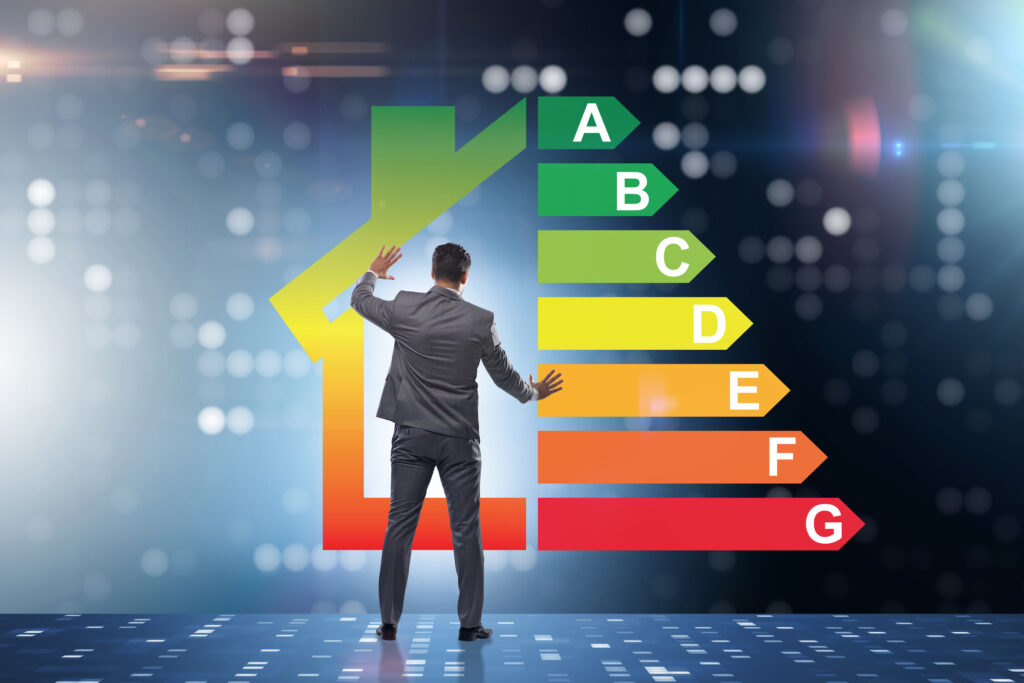
Businessman in energy efficiency concept
In the ever-evolving landscape of sustainability and environmental responsibility, UK businesses are increasingly focusing on ways to reduce their carbon footprint and contribute to a greener future. One crucial aspect of this commitment is the Energy Performance Certificate (EPC) rating. Understanding what an EPC is, its importance, and implementing strategies to improve it can not only benefit the environment but also yield cost savings for businesses in the long run.
What is an EPC?
An Energy Performance Certificate (EPC) is a document that provides an assessment of a building’s energy efficiency. It assigns a rating, ranging from A (most efficient) to G (least efficient), based on factors such as insulation, lighting, heating systems, and ventilation. This certification is mandatory for most commercial properties in the UK, serving as a valuable tool for businesses to evaluate and improve their energy efficiency.
Why is it Important for Businesses?
1. Legal Compliance:
Ensuring compliance with environmental regulations is crucial for businesses operating in the UK. A high EPC rating not only demonstrates adherence to these regulations but also positions the business as environmentally responsible, enhancing its reputation.
2. Cost Savings:
Improving energy efficiency often translates to reduced energy consumption and lower utility bills. Businesses with higher EPC ratings can benefit from significant cost savings in the long term, freeing up resources for other essential aspects of operations.
3. Market Competitiveness:
In an era where consumers and clients prioritize sustainable practices, a high EPC rating can set your business apart from competitors. It showcases a commitment to environmental responsibility, attracting eco-conscious customers and partners.
4. Insurance Benefits:
A higher EPC rating can also positively impact insurance premiums, as insurance companies like Deacon increasingly consider energy-efficient practices when assessing risks. Businesses with improved energy efficiency may qualify for lower insurance costs, leading to additional financial advantages.
How to Improve Your EPC Rating:
1. Conduct an Energy Audit:
Before implementing any changes, businesses should conduct a comprehensive energy audit to identify areas of inefficiency. This involves assessing the current state of lighting, heating, insulation, and ventilation systems. Engaging with a certified energy assessor can provide valuable insights into specific areas that need improvement.
2. Upgrade Lighting Systems:
Switching to energy-efficient lighting, such as LED bulbs, can significantly contribute to improving your EPC rating. These lights consume less energy, have a longer lifespan, and contribute to a more sustainable and cost-effective lighting solution for your business.
3. Enhance Insulation:
Investing in proper insulation is a fundamental step in improving energy efficiency. Well-insulated buildings require less energy for heating and cooling, resulting in lower energy consumption and improved EPC ratings. Consider upgrading insulation materials, sealing gaps, and installing double-glazed windows to prevent heat loss.
4. Optimize Heating and Cooling Systems:
Outdated or inefficient heating and cooling systems can be major contributors to low EPC ratings. Upgrade to modern, energy-efficient systems that can maintain comfortable temperatures while minimizing energy consumption. Regular maintenance is also crucial to ensure these systems operate at peak efficiency.
5. Integrate Renewable Energy Sources:
Exploring renewable energy sources, such as solar panels or wind turbines, can significantly boost your EPC rating. While the initial investment may seem substantial, the long-term benefits in terms of reduced energy costs and a positive environmental impact make it a worthy consideration for businesses committed to sustainability.
Paving the Way for Sustainable Success
Improving your business’s EPC rating is not just about compliance; it’s a strategic move that aligns with the growing emphasis on sustainability. Beyond the environmental benefits, a high EPC rating can lead to cost savings, enhanced market competitiveness, and a positive public image. By investing in energy-efficient measures and adopting sustainable practices, businesses in the UK can contribute to a greener future while reaping the rewards of a more efficient and responsible operation.