Denbighshire Council Introduces Electric Vehicle Pool to Cut Business Travel Costs
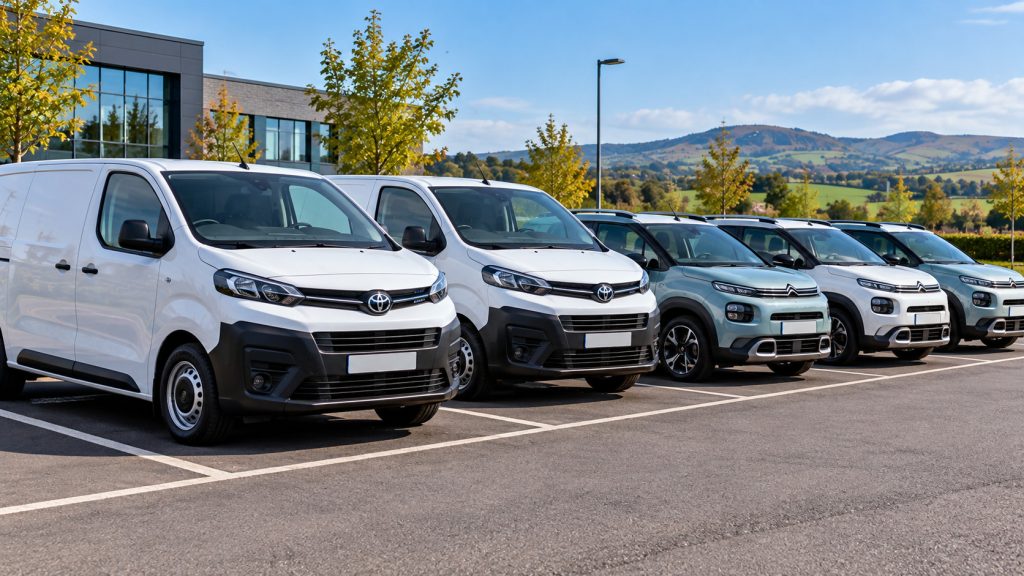
New booking system will allow council employees to use electric vehicles for work journeys, reducing reliance on private cars and supporting efforts to lower operating costs.
Denbighshire County Council has introduced a new electric vehicle pool scheme designed to reduce business travel costs and cut emissions from staff journeys.
The initiative, managed by the council’s Fleet Service, allows employees who have completed appropriate training to book electric vehicles for work-related travel.
The scheme follows a smaller pilot and is now operating from locations in Denbigh, St Asaph, Prestatyn and Llangollen.
Vehicles available through the programme include Toyota Proace electric vans and Citroën ë-C3 models, with staff able to make bookings online.
The system uses RFID technology installed in vehicle dashboards to support access and management.
Reducing Business Mileage Costs
The council says the scheme will help reduce the use of employees’ privately owned petrol and diesel vehicles for official journeys.
By providing access to shared electric vehicles, the authority aims to manage mileage expenditure more effectively while reducing wear and tear on employees’ personal cars.
The initiative also forms part of the council’s wider programme to decarbonise its fleet.
More than 20% of Denbighshire County Council’s fleet vehicles are now zero-emission models, according to the authority.
The council has been replacing petrol and diesel vehicles with electric alternatives where appropriate, supported by funding from Welsh and UK Government departments.
Staff Receive Electric Vehicle Training
Employees participating in the scheme must complete training covering the safe and efficient use of electric vehicles.
This includes charging procedures, regenerative braking and selecting appropriate driving modes for different road conditions and vehicle loads.
Martin Griffiths, Fleet Mobility Lead Officer at Denbighshire County Council, said the scheme would provide practical benefits for employees and the authority.
“As part of our Council Climate Change and Nature Recovery strategy we are committed to continue to reduce carbon emissions across the local authority, which includes our Fleet.”
He added that the council was sharing its experience with other Welsh local authorities and public sector organisations to help inform their own transition towards zero-emission fleets.
Potential Lessons for Business Fleets
The scheme also provides an example of how shared electric vehicles could help organisations reduce business mileage costs.
For employers whose staff regularly travel between offices, customer sites or other local destinations, a centrally managed vehicle pool may offer an alternative to reimbursing mileage in privately owned vehicles.
However, the financial benefits depend on factors including vehicle utilisation, charging infrastructure, maintenance and the cost of acquiring or leasing vehicles.
Councillor James Elson, Denbighshire’s Lead Member for Environment and Transport, said:
“Introducing a pool vehicle system is an important step in ensuring the Council makes the most effective use of its resources. By providing staff with access to vehicles for business travel, we can reduce reliance on private vehicles, help manage business mileage costs and ensure taxpayers receive better value for money. The scheme also supports the Council’s wider commitment to reducing the environmental impact of its operations.”
The council intends to use feedback from employees participating in the scheme to inform future fleet management decisions.
For North Wales businesses considering fleet electrification, the initiative illustrates how shared vehicles, staff training and centralised booking systems can be combined to manage transport requirements.
Source: Denbighshire County Council