How to smoothly plan a successful corporate retreat
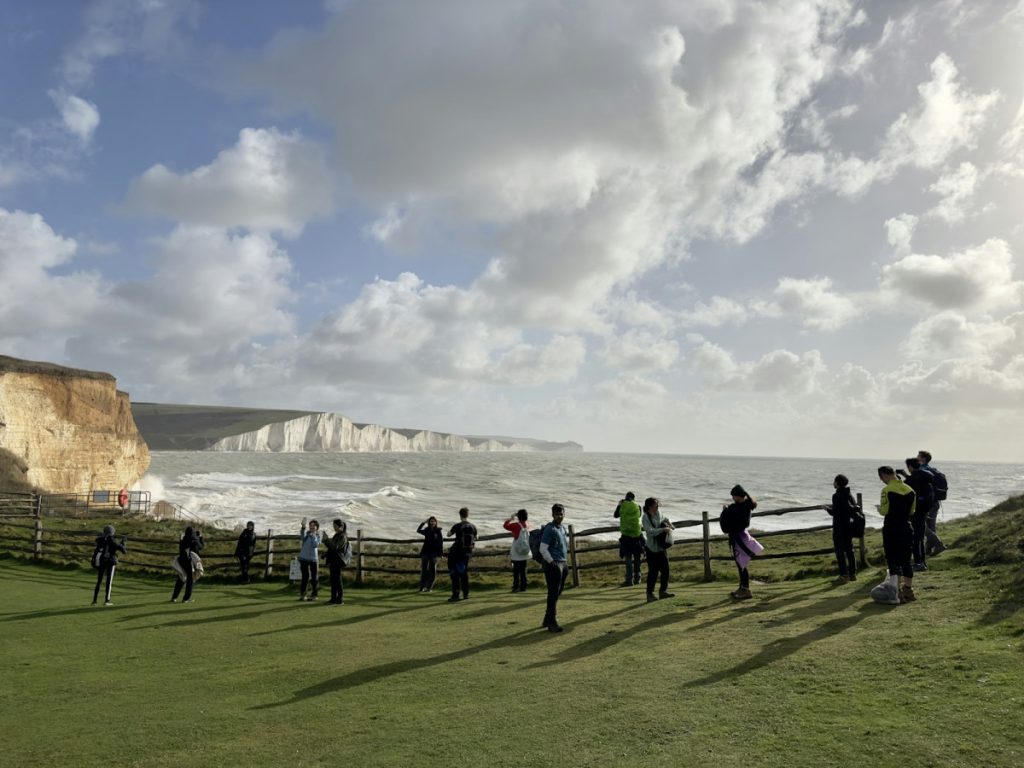
Corporate retreats are beneficial to employees of all ranks. Your team will come back with increased morale, strengthened team bonds and a new outlook for creativity and innovation.
Although retreats are supposed to be fun and relaxing, planning them can be anything but! Here are some tips to help you smoothly plan a successful corporate retreat.
Set clear objectives and choose the right destination
In the early planning stages, it is important that the objectives are clear. Think about the purpose of the retreat – is it to blow off some steam or is it to strengthen a particular skill? Once this has been defined, you can begin to narrow down the destination and potential activities.
Destination is a huge part of a successful retreat. If your team is scattered around and you need a central hub, short city breaks are ideal for bringing everyone together for both work and leisure. Alternatively, getting away to a remote location can help to focus minds and keep everyone on task.
Budgeting, logistics and securing travel arrangements early
As with all aspects of business, creating a realistic budget is key to keeping expenses down. You will need to include factors such as accommodation, transport, meeting spaces, catering, activities and potentially insurance.
Work through each aspect and consider your options carefully. While it is easy to opt for the cheapest option, you may be able to combine accommodation and food, for example, and get a better deal at a more high-end space.
Try to book as early as possible for the best prices. Giving yourself lots of time before the date also allows you to make any tweaks necessary without too much hassle.
Designing a balanced itinerary for productivity and relaxation
Corporate retreats can be intense. Make sure the schedule allows for downtime where possible, but keeps the focus on work-based activities.
Presentations, workshops and strategy meetings should be broken up with downtime or physical activities. You could work team-building exercises in here, but it is also good for attendees to relax and switch off for a short period.
Rest breaks ensure that people return to the workshops focused and with greater clarity rather than trying to absorb too much information.
Prioritising wellbeing, inclusivity and post-retreat impact
As in the workplace, ensuring everyone’s needs are met is essential for comfort and wellness. Consider dietary needs, accessibility and the personalities involved to make sure everyone feels included. This is especially important if you are planning a longer trip, as everyone should feel rested and happy at the end of it.
After the retreat, it is important that the impact does not get forgotten. Find ways to implement the strategies you have all learned – you could make this a collaborative part of the retreat. Feedback surveys are also important as there may be ways to make it a better experience next time.